Maintenance Tips for Pressure Pipe Fittings: Extending the Life of Your System
Pressure pipe systems are something you hardly think about until they stop working. They sit in the background quietly, moving water or fluids where they need to go without any issues. But when a fitting cracks or a joint starts leaking, you suddenly have a very large and very expensive problem on your hands. And whether it’s for a simple irrigation setup or something more complex, involving agi pipe drainage, a bit of regular maintenance can make all the difference. Think of pressure pipe fittings like any hardworking part of a system. They’ll last much longer when you give them the occasional check-up. Here’s a walk-through of some practical, simple tips to help you get the longest possible life out of your setup.
1. Regularly Check Your System (and Not Just When Things Go Wrong)
Most people only look at their pressure pipe fittings when there is a leak, and then the damage is already well underway. Doing little routine inspections can save you from the “How did this happen?” moments later on. Every few months, take a slow walk around your system and watch out for things like:
- Damp areas or unexpected puddles
- Rust or discolouration at the connection points
- Cracks, swelling, or changes in shape
- Drops in water pressure
- Odd noises such as rattling or humming
It’s kind of like checking the oil in your car; you don’t wait for the engine to explode before you take a look. A few minutes here and there can catch problems while they’re still minor and cheap to fix.
On buried systems or those that are tucked away, monitor the ground over top of them. If the soil feels soft, the ground sinks, or one spot of grass is growing unusually fast, you might have a leak.
2. Keep the System Clean and Free of Debris
Clean water flow is among the simplest ways to protect your fittings from causing future issues. When dirt, grit, and sediment build up, they don’t just look bad; they are actually wearing down the fitting from the inside out.
A few good habits help keep your system healthy:
- Flush the system occasionally to clear sediment
- Install filters or strainers at inlets if your water source carries debris
- Clean the screens at regular intervals
- Ensure valves and taps are not sticking
You may be well aware of how a small amount of grit can interrupt the entire flow if you have ever been outside battling a jammed garden hose. Now picture that on a bigger scale, within a system of pipes designed to manage pressure. Everything runs smoothly when the water is clean.
3. Protect Fittings From UV Damage and Harsh Weather
Even though many pressure pipe fittings are designed for outdoor use, exposure to continuous sunlight and all kinds of weather will eventually take its toll. One of the biggest culprits is UV rays; these can make fittings brittle and weak.
If your pipes or fittings are above ground, you can try:
- Wrapping them with UV-resistant tape or paint
- Building simple protective covers
- Checking for Chalky residue, cracks, or fading
If you’re in a region that has cold winters, insulation is a must. Water freezing and thawing inside pipes can create cracks even in durable fittings. It’s like wrapping the pipes under your house for winter; it may seem like a lot of work now, but it prevents them from bursting later on.
4. Avoid Over-Tightening or Incorrect Installation Practices
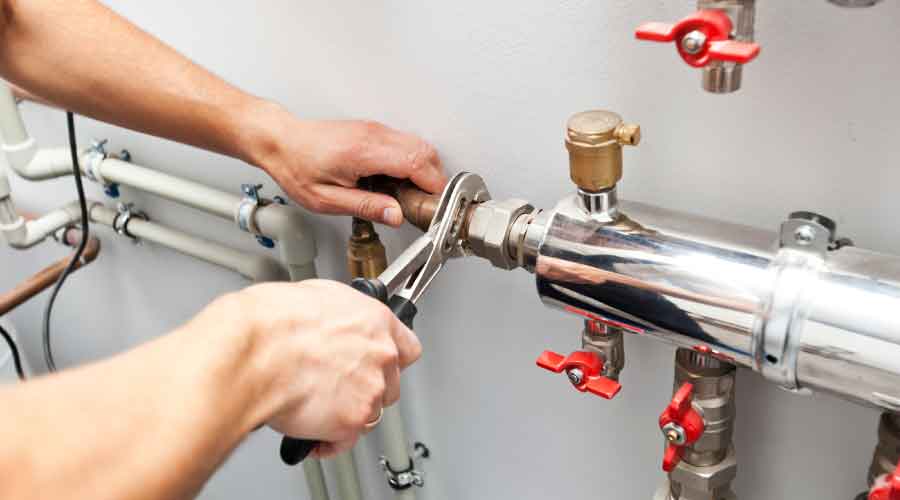
You’d be surprised how often fittings tend to fail just because they weren’t installed properly. One of the biggest mistakes is over-tightening; people assume “tighter is better,” but with pipe fittings, too much pressure can actually cause micro-cracks.
Some installation habits worth keeping in mind include:
- Use the right sealant or thread tape, and not too much
- Tighten enough to seal, but not so much that it strains the fittings
- Ensure that the pipes are aligned properly before joining them
- Avoid bending or twisting of pipes during installation
- Support longer pipe runs to prevent sagging
If you’ve ever put furniture together and stripped a screw by tightening it one turn too far, you know exactly how easy it is to ruin a connection. Precision is always better than force when it comes to fittings.
5. Check Pressure Levels to Avoid System Stress
Pressure pipe systems are engineered to operate up to a particular amount of force, but consistently running near their limit, or dealing with sudden spikes, will shorten their lifespan.
Try to:
- Install pressure gauges at key points in the system
- Check the readings during times of heavy use
- Add pressure-reducing valves if necessary
- Listen for banging or thumping sounds; these are classic signs of water hammer
Water hammer occurs if there is a sudden stop or change of direction in the flow. The shock wave can shake the pipes and damage the fittings. Installing a hammer arrestor or an air chamber is often all that is needed to protect your setup.
Whether it’s a home irrigation system or part of a larger construction pipeline, one of the best ways to extend a system’s life is through the maintenance of even pressure.
6. Replace Worn Components Right Away (Even the “Small” Ones)
It’s tempting to ignore a worn O-ring or a cracked end cap because replacing them feels like a hassle. However, these small parts are often the first to fail. If a part starts to look worn, replace it right away.
Have extra parts on hand, especially:
- Rubber seals
- O-rings
- Couplings
- Threaded fittings
- End caps
Think of it as replacing batteries in your smoke alarm. You do it before it fails, not after.
7. Choose Quality from the Start
Most of the time, a system’s long-term reliability comes down to choosing the right materials from the start. Cheaper parts will save money upfront, but often fail quickly, leading to more repairs in the long run. Look for fittings that have: A solid brand reputation, Clean molding and smooth finishes, Consistent colour and shape, Certification or compliance markings.
Large projects, particularly those with civil construction material, do not allow for shortcuts when it comes to the quality of the fittings. This type of project requires durability, as the use of the wrong material can cause a major setback. Using high-quality fittings and keeping up with regular maintenance is the key to a system that will last decades, not just years.
Final Takeaway
Though it may not even cross your mind, pressure pipe fittings play a major role in keeping your entire system running smoothly. And with a few simple habits, such as routine inspection, proper installation, cleaning, and pressure monitoring, their lifespan can be extended.
Whether you’re working on a backyard irrigation setup or a large commercial system, the same rules apply: plan ahead, avoid shortcuts, and choose materials you can trust. A few minutes of maintenance now can save you from expensive repairs, messy leaks, and a lot of headaches down the road. A small amount of attention really does go a long way.