How Machine Learning is Changing the Way We Write Essays
Gone are the days when a blank white screen was the most terrifying thing a student could face. We are currently living through a massive shift in how academic work happens. If you walk into any university library in 2026, you will not just see students typing; you will see them collaborating with intelligent systems. Machine learning, a branch of artificial intelligence that helps computers learn from data, is no longer a futuristic concept. It is the silent engine behind every modern writing tool we use.
This technology does not just check for typos anymore. It understands the “vibe” of your writing and suggests ways to make your arguments stronger. For many students who feel overwhelmed by complex topics, using an Assignment help service like myassignmenthelp has become a way to see how professional-level machine learning tools can be used to structure thoughts and refine research. Instead of replacing the student, these advancements are acting as a high-powered digital coach, helping everyone from high schoolers to PhD candidates find their unique voice in a sea of data.
The Shift from Proofreading to Predictive Writing
In the past, writing software was reactive. It waited for you to make a mistake and then put a red line under it. Today, machine learning has made these tools proactive. By using Natural Language Processing (NLP), software can predict the next logical step in your essay. It looks at millions of existing academic papers to understand how a high-quality thesis statement should be built. This does not mean the computer is writing the essay for you, but it is helping you navigate the “cognitive load” of organizing your research.
Students are now using these algorithms to brainstorm. Imagine having a partner that has read every book in the library and can instantly point out a connection between two different theories that you might have missed. This is the power of “Human-in-the-loop” writing. You provide the creative spark and the personal opinion, while the machine handles the heavy lifting of checking for logical flow and consistent tone.
Understanding the Engine: ML vs. Deep Learning
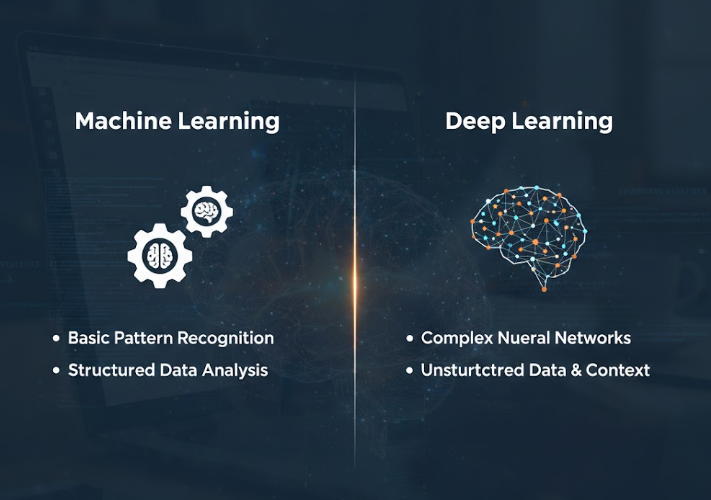
To really get how this works, we have to look under the hood. Many people use the terms machine learning and AI interchangeably, but there are layers to this technology. If you want to dive deeper into the technical differences, checking out Comparison Guide on Machine Learning vs Deep Learning is a great way to see how deep learning specifically mimics the human brain to process language. While standard machine learning might help with grammar, deep learning is what allows a tool to understand sarcasm, professional tone, and complex metaphors in an essay.
Breaking the Language Barrier
One of the most beautiful changes brought by machine learning is how it levels the playing field for international students. Writing an essay in a second or third language is incredibly difficult, even if you understand the subject perfectly. Machine learning models can now translate not just words, but “intent.” They can take a rough thought written in simple English and suggest academic-level phrasing that fits the requirements of a global university. This ensures that a student’s grade reflects their knowledge of the subject, rather than just their mastery of English grammar.
The Ethics of the New Era
Of course, with great power comes the need for a bit of caution. As these tools become more common, the conversation around “academic integrity” is changing. In 2026, the goal is not to hide the use of technology, but to use it ethically. Teachers are now looking for “Authentic Authorship.” They want to see that the student made the final decisions, even if an algorithm helped suggest a better transition between paragraphs.
- Originality: Always ensure your personal conclusion is yours alone.
- Verification: Machines can sometimes make up facts (hallucinations), so always double-check your sources.
- Critical Thinking: Use ML to organize, but use your brain to argue.
Why Your Voice Still Matters
At the end of the day, machine learning is just a set of math equations designed to find patterns. It does not have a soul, a personal history, or a unique opinion. It cannot feel the passion you have for a specific social cause or the excitement of a scientific discovery. Essays are meant to be a reflection of a person’s growth.
The future of writing is a partnership. We are moving into a world where the “writer” is more like an “editor-in-chief.” You direct the machine, you choose the best ideas it presents, and you weave them into a story that only you can tell. Machine learning is changing the way we write essays, but it is actually making the human element more important than ever before. It forces us to move beyond the basics and focus on what really matters: the strength of our ideas.
Frequently Asked Questions
How does machine learning differ from standard grammar checkers?
Traditional checkers rely on static rules to find errors. Machine learning tools use neural networks to understand context, meaning, and tone, offering suggestions that improve the logical flow and overall persuasiveness of your arguments.
Can using these tools help me become a better writer?
Yes. By providing real-time feedback and suggesting sophisticated vocabulary, these technologies act as a digital tutor. They help you identify recurring patterns in your writing, allowing you to learn from mistakes and refine your personal style over time.
Is it ethical to use machine learning for academic assignments?
Ethical use depends on “Human-in-the-loop” involvement. Using technology for brainstorming, outlining, or polishing is generally accepted, provided the final ideas and conclusions are your own and you follow your institution’s specific guidelines on disclosure.
Will these technologies eventually replace the need for human writers?
While algorithms excel at processing data and following patterns, they lack human experience and emotional depth. The future of writing is a partnership where technology handles technical organization while humans provide the unique perspectives and creative insights.
About The Author
Ella Thompson is a dedicated academic consultant and contributing writer at myassignmenthelp. With a passion for exploring the intersection of technology and education, Ella focuses on providing students with practical insights to navigate the evolving digital landscape of modern learning.
Keep an eye for more latest news & updates on BlogBuzzNews!