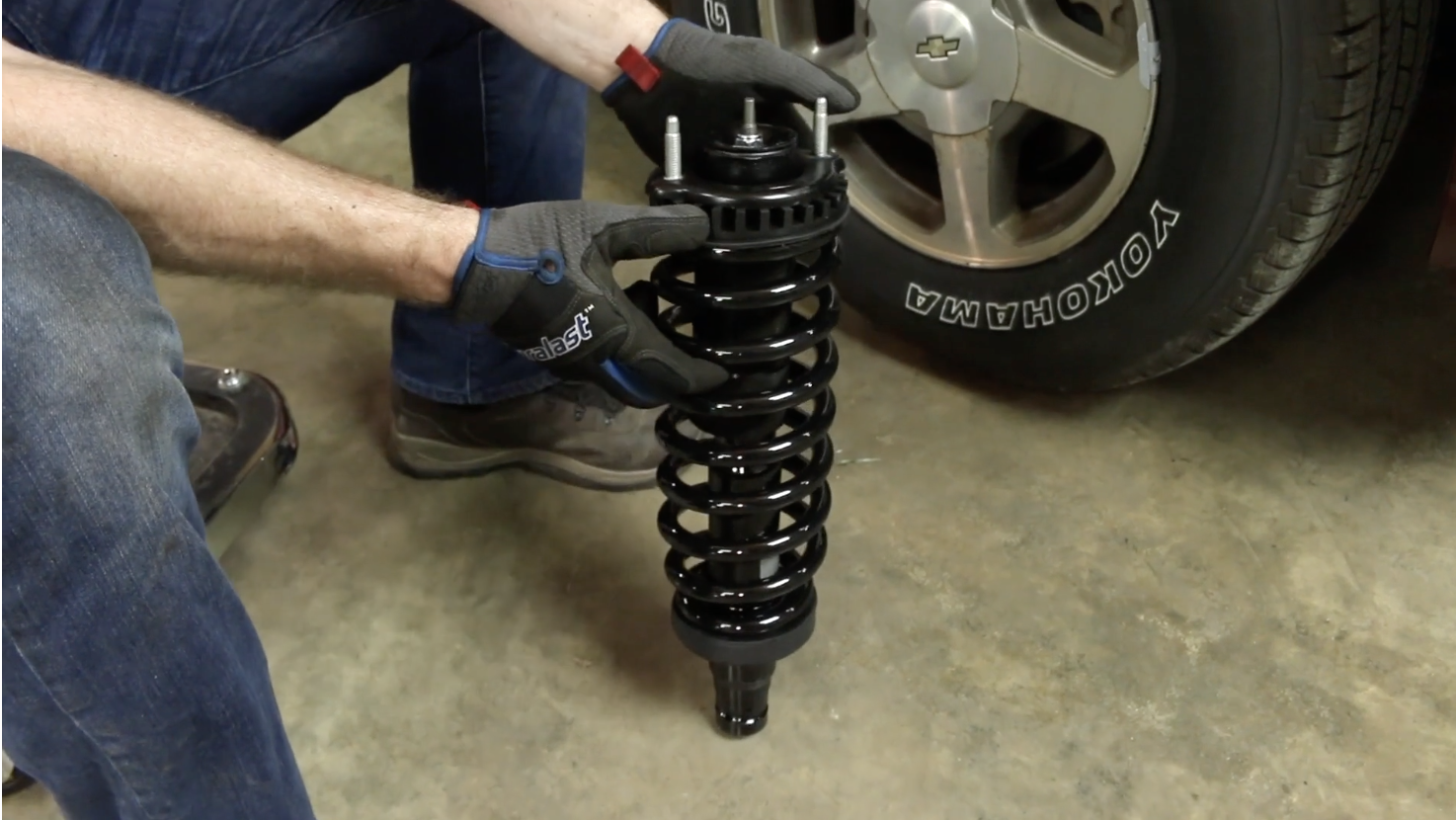
Full Set vs Single Strut Replacement: Which Is Better?
Choosing between a full set replacement and a single strut replacement is a big decision. It affects your car’s performance, safety, and your budget.
Knowing the right choice is key, whether you’re experienced or new to car care. Replacing struts is more than fixing a problem. It’s about keeping your car in top shape.
Understanding Strut Systems in Vehicles
Knowing about strut systems is key for car owners. They are vital for a car’s performance and safety. The strut system affects how a car handles different road conditions.
The suspension system is designed for a smooth ride and to keep tires in contact with the road. At its core are the struts. They help absorb bumps, keep the car stable, and improve handling.
What Are Struts and Their Function?
Struts are a crucial part of the suspension system. They act as shock absorbers and support the suspension. They help absorb road shocks, keep tires in contact, and support steering.
This makes struts essential for vehicle handling improvement. They keep the car stable and responsive on the road.
Struts dampen road oscillations, making the ride smoother. They also help maintain the vehicle’s alignment. This is important for even tire wear and stable steering.
Importance of Struts for Safety and Stability
Struts are vital for auto repair options and keeping the car safe. Worn-out struts can make the car unstable, uncomfortable, and harder to stop. In bad cases, they can cause loss of control during emergencies.
Struts also play a big role in vehicle safety. They help tires stay in contact with the road, improving braking and reducing accident risk. So, it’s important to check and maintain struts regularly for safe driving.
In the world of strut assembly comparison, understanding struts’ role in safety and performance is crucial. It helps choose the right replacement, whether it’s a full set or just one strut, based on the car’s condition.
Benefits of Replacing a Full Set of Struts
Keeping your vehicle’s suspension system in great shape is key. Replacing all struts at once is a smart move. It boosts your car’s performance, makes the ride smoother, and improves handling. Knowing the perks of a full set replacement helps you decide what’s best for your car.
Improved Ride Quality
Getting a full set of new struts makes your car ride better. New struts make sure your suspension works evenly, handling bumps and shocks better. This means a smoother drive, making your trips more comfortable.
Enhanced Vehicle Handling
Replacing all struts also makes your car handle better. New struts give your car more stability and quickness, which is key when turning or stopping. This is important for safe driving, helping you keep control of your car.
Long-Term Cost Savings
Though it might cost a bit upfront, replacing all struts at once saves money in the long run. It prevents uneven wear on other parts, which can save you money on repairs later. It also keeps your car’s value up.
| Benefits | Full Set Replacement | Single Strut Replacement |
| Ride Quality | Significantly Improved | Partially Improved |
| Vehicle Handling | Enhanced Stability | Variable Stability |
| Long-Term Costs | Cost-Effective | Potentially Higher |
Advantages of Single Strut Replacement
Single strut replacement is a cost-saving option for car repairs. It’s great when just one strut is broken and the others are fine.
Cost-Effective Solution
Replacing just one strut can save a lot of money. It’s cheaper than replacing all struts at once. This is good for those who don’t want to spend a lot.
Easier Installation Process
Installing a single strut is faster and simpler. This means your car will be fixed quicker. You won’t have to wait as long to get back on the road.
Targeted Repairs for Specific Issues
Single strut replacement fixes specific problems without a full overhaul. This keeps your car’s suspension working well. It also saves the other struts from being replaced unnecessarily.
In summary, single strut replacement is a smart and affordable choice. It’s quicker to install and focuses on fixing specific issues. When deciding between single strut or full set replacement, think about what’s best for your car and your wallet.
Key Factors to Consider for Replacement
Choosing between a full set and single strut replacement depends on your vehicle’s condition and your preferences.
Vehicle Age and Mileage
The age and mileage of your vehicle are key in deciding between a full set or single strut replacement. For newer cars with low mileage, replacing one strut might be enough if the problem is isolated.
But for older cars or those with high mileage, it’s better to replace all struts. This way, you avoid future problems and ensure all struts work the same.
Driving Conditions and Usage
Your driving habits and the conditions you drive in affect your vehicle’s struts. Driving on rough roads, carrying heavy loads, or driving in stop-and-go traffic can wear out struts faster.
If you drive under harsh conditions, replacing all struts at once might be more cost-effective. It helps keep your vehicle handling and safety at their best.
Budget Constraints
Budget is a big factor in your decision. While replacing one strut is cheaper upfront, replacing all struts might be more cost-effective in the long run.
| Replacement Strategy | Initial Cost | Long-Term Cost | Vehicle Handling Improvement |
| Single Strut Replacement | Lower | Potential for higher maintenance costs | Variable, depending on the condition of other struts |
| Full Set Replacement | Higher | Lower maintenance costs over time | Significant improvement due to uniform strut condition |
Choosing between a full set and single strut replacement depends on your vehicle’s needs, driving conditions, and budget. Talking to a professional mechanic can give you insights tailored to your situation.
Signs You Need Strut Replacement
Knowing when to replace your car’s struts is crucial for safety and performance. Spotting these signs early can prevent bigger problems.
Unusual Noises While Driving
Clunking or rattling sounds while driving mean your struts might need replacing. This is because they can’t dampen the car’s movements well anymore.
Poor Steering Response
Poor steering could mean your struts are failing. Struts help keep your car stable and responsive.
Uneven Tire Wear
Uneven tire wear hints at strut problems. Worn-out struts can cause tires to wear unevenly, affecting safety.
| Sign | Description | Implication |
| Unusual Noises | Clunking or rattling sounds while driving | Worn-out struts causing suspension issues |
| Poor Steering Response | Vehicle does not respond well to steering | Struts failing to maintain stability |
| Uneven Tire Wear | Tires wearing down unevenly | Struts affecting tire alignment and wear |
Spotting these signs early can save your car’s suspension and keep you safe. If you notice any, get a mechanic’s advice.
Comparing Costs: Full Set vs Single Strut
It’s important to know the cost difference between replacing a single strut and a full set. This choice affects your vehicle’s suspension system cost over time. It also impacts the vehicle’s resale value.
Initial Replacement Costs
Replacing a full set of struts costs more than replacing one strut. You need to buy multiple struts, which is expensive upfront. But, it makes your vehicle perform better and safer.
Cost-effective suspension repair depends on your vehicle’s strut age and condition. If many struts are old, replacing them all might save money in the long run, even if it costs more at first.
Long-Term Maintenance Costs
Replacing just one strut might seem cheaper at first. But, it’s important to think about future costs. Using old and new struts can cause uneven wear and safety issues. This might lead to more maintenance costs later.
Choosing a suspension upgrade with a full set replacement avoids these problems. New struts ensure your vehicle handles well and might need less maintenance in the future.
Resale Value Considerations
Choosing between a full set and single strut replacement affects your vehicle’s resale value. A full set replacement shows your vehicle is well-maintained. On the other hand, a single strut replacement might make buyers wonder about the other struts.
When choosing between full set and single strut replacement, think about your vehicle’s condition and your plans for it. If you plan to keep the vehicle long-term, the extra cost of a full set might be worth it for the long-term benefits and savings.
Safety Implications of Strut Replacement
Your vehicle’s safety depends a lot on its strut system. Replacing struts is a key maintenance task. Struts help keep your vehicle stable and handle well, no matter the driving conditions.
Replacing struts is more than just about how your car performs. It’s also about safety. Bad struts can make your car less stable, harder to stop, and harder to control when you need to.
How Struts Affect Vehicle Handling
Struts are key for vehicle handling improvement. They support and stabilize your car. This helps your tires stay in contact with the road, giving you better grip and control. Good struts mean a smoother ride, better steering, and more control when cornering or braking.
But, bad struts can make your car hard to handle. This is true, even at slow speeds or during emergencies.
The Risks of Delayed Replacement
Waiting too long to replace struts can be very dangerous. Some risks include:
- Higher chances of accidents because your car isn’t stable
- Longer times to stop, which is bad in emergencies
- Harder to control your car, which can lead to losing control
Getting advice from strut replacement experts can help avoid these dangers. Replacing struts on time keeps your car safe and running well.
In short, knowing how strut replacement affects safety is key. It helps keep your car safe and performing well. By understanding the risks of bad struts, you can decide when to replace them wisely.
Timeframe for Strut Replacement
The time needed to replace struts can change a lot, depending on the method. Knowing how long it takes is key for planning and keeping your car off the road for less time.
Average Time for Full Set Replacement
Replacing all struts at once is a bigger job that takes longer than fixing one. It usually takes 4 to 6 hours, depending on the car and the mechanic’s skill. This time includes taking out the old struts, checking the suspension, and putting in the new ones.
Time Required for Single Strut Replacement
Fixing one strut is faster, taking 1 to 3 hours. The exact time depends on where the strut is and how easy it is to get to. For example, struts in easier spots take less time to fix.
To make things clearer, here’s a comparison table:
| Replacement Type | Average Time Required | Factors Affecting Time |
| Full Set Replacement | 4-6 hours | Vehicle make/model, mechanic’s expertise |
| Single Strut Replacement | 1-3 hours per strut | Strut location, accessibility |
When choosing between replacing all struts or just one, think about more than just time. Look at auto repair options and cost-effective suspension repair plans. Also, comparing strut assemblies can help you decide.
Professional vs DIY Strut Replacement
Choosing between professional strut replacement and DIY is a big decision. It depends on your mechanical skills, the job’s complexity, and your comfort with tools.
Advantages of Hiring a Professional
Professional mechanics are experts in strut replacement. They ensure the job is done right and safely. This is key for your vehicle’s performance and safety.
“Having a professional handle your strut replacement can make all the difference in the performance and safety of your vehicle.”
John Doe, Automotive Expert
- Expertise in handling complex strut systems
- Access to specialized tools and equipment
- Warranty on workmanship
DIY Strut Replacement Essentials
If you’re good with DIY projects, strut replacement can be rewarding. It saves on labor costs and is a learning experience. But, you need to know the process and have the right tools.
To replace struts yourself, you must:
- Understand your vehicle’s strut system
- Get the necessary tools and parts
- Follow safety protocols
Tools Required for Strut Replacement
Knowing the tools needed is key, whether you go pro or DIY. Here’s a look at the tools for each:
| Tool/Equipment | Professional Installation | DIY Installation |
| Spring Compressor | Available | Required |
| Strut Alignment Tools | Available | Recommended |
| Lift or Jack | Available | Required |
In conclusion, your choice between professional and DIY strut replacement depends on your skills, time, and budget. Weighing the pros and cons helps you make the best choice for you.
Real-Life Case Studies
Real-life case studies give us a practical look at strut replacement options. They show the benefits and challenges of choosing between a full set or single strut replacement. By looking at other car owners’ experiences, we can learn a lot.
Full Set Replacement Success
A full set replacement can greatly improve how your car handles and stays stable. For example, a 2018 Toyota Camry owner saw a big improvement in ride quality after swapping out all struts. This was because they often drove on rough roads and wanted a suspension upgrade for better durability.
“After replacing all struts, my car handles like new again. The ride is smoother, and I feel much safer on the road.” – John D., Toyota Camry Owner
This story shows the benefits of replacing all struts, which is good for cars driven hard or with high mileage.
Single Strut Replacement Experience
On the other hand, replacing just one strut can be cheaper and fix specific problems. A Honda Civic owner replaced one strut to fix uneven tire wear. They noticed a big vehicle handling improvement and liked comparing the old and new struts. They saw a big difference in how the car performed.
- Reduced cost compared to full set replacement
- Targeted repair for specific issues like uneven tire wear
- Potential for improved vehicle handling
This example shows that replacing just one strut can be a smart choice in some cases. It’s a good alternative to replacing all struts at once.
Final Recommendations: Making the Right Choice
Choosing the right strut replacement for your vehicle is important. You need to understand what your car needs. This means looking at several key factors to decide if you should replace all or just one strut.
Assessing Your Vehicle’s Needs
First, check your car’s condition. Look at its age, mileage, and any strut damage. A good inspection can tell you if you need to replace one or all struts.
Key factors to consider:
- Vehicle age and mileage
- Driving conditions and usage
- Signs of wear or damage
Consulting with a Professional Mechanic
Talking to a professional mechanic is key. They can check your car’s suspension and suggest the best fix.
A professional mechanic can help you:
- Spot problems early
- Choose the right replacement
- Make sure the job is done right
Weighing Pros and Cons for Your Decision
Think about both the short and long-term effects of your choice. Compare costs and benefits to make a smart decision.
| Replacement Strategy | Initial Cost | Long-Term Benefits |
| Full Set Replacement | Higher upfront cost | Improved ride quality, enhanced safety, and potentially lower long-term maintenance costs |
| Single Strut Replacement | Lower upfront cost | Cost-effective for addressing specific issues, but may not address underlying problems with other struts |
Choosing between full set and single strut replacement depends on your car’s needs, a mechanic’s advice, and weighing the pros and cons. This way, you can find a balance between performance, safety, and cost.
Conclusion: Full Set vs Single Strut Replacement
Choosing between a full set and single strut replacement depends on several things. These include your vehicle’s condition, how you drive, and your budget. By looking at the pros and cons of each, you can pick what’s best for you.
Key Takeaways
A full set strut replacement can make your ride smoother and your car handle better. It also saves money in the long run. But, single strut replacement is cheaper and fixes just what’s broken. Knowing these points helps you compare strut assemblies.
Making an Informed Decision
When thinking about car repairs, check what your car really needs. Talking to a mechanic is key. This way, your car stays safe, runs well, and keeps its value. Whether you go for a full set or single strut, making a smart choice is important.
FAQ
What are the main differences between a full set and single strut replacement?
A full set replacement means changing all struts in your car’s suspension. On the other hand, a single strut replacement only changes the damaged one. The main difference is the scope of the work, with full set being more comprehensive.
How do I know if I need a full set or single strut replacement?
The choice between full set and single strut replacement depends on your car’s struts, its age, and how much you drive. If many struts are damaged, you might need a full set. But if just one is bad, a single replacement could work.
What are the benefits of a full set strut replacement?
Replacing all struts at once improves your car’s ride and handling. It also saves money in the long run. This ensures your suspension works evenly, preventing uneven wear on other parts.
Is a single strut replacement a cost-effective solution?
Yes, replacing just one strut can save money if you’re on a budget or only need to fix one. It’s a targeted fix that doesn’t require a full suspension overhaul.
How do driving conditions affect the decision between a full set and single strut replacement?
Driving on rough roads or in harsh weather can wear out struts faster. If you drive in such conditions, replacing all struts might be safer and better for your car’s performance.
Can I replace struts myself, or do I need a professional mechanic?
While you can replace struts yourself, it’s safer to get a professional mechanic. They ensure the job is done right and safely.
How long does a strut replacement typically take?
The time it takes to replace struts varies. Replacing one strut can take a few hours. But replacing all struts can take a whole day or more.
What are the signs that indicate I need to replace my struts?
Signs you need new struts include strange noises, poor steering, and uneven tire wear. If you notice these, get your struts checked and replaced if needed.
How does strut replacement impact my vehicle’s resale value?
Replacing your struts, whether all or just one, can boost your car’s resale value. A well-maintained suspension system is key for your car’s performance and safety, making it more appealing to buyers.
Keep an eye for more latest news & updates on BlogBuzzNews!